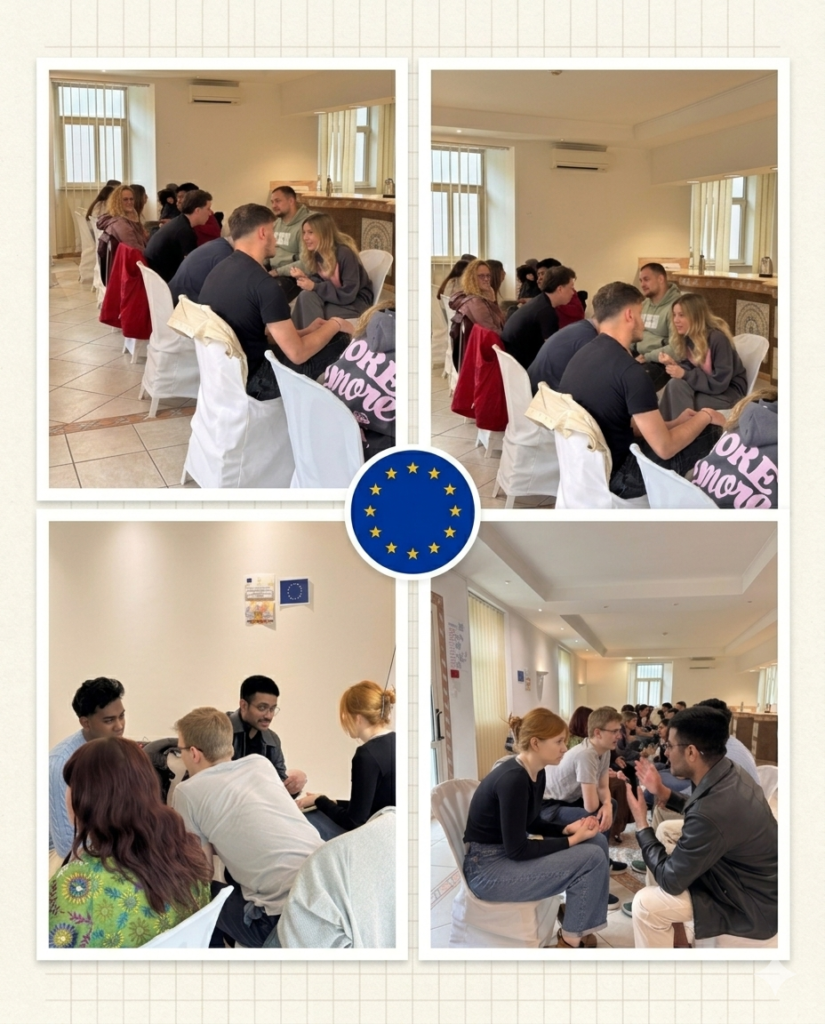
The first day of the From Conflict to Connection training marked the beginning of an inspiring international learning journey focused on strengthening communication, empathy, and trust in youth work. Bringing together participants from different countries and professional backgrounds, the opening day created space not only for introductions, but for the first steps toward building a shared learning community.
From the very start, the atmosphere was shaped by openness, curiosity, and a strong willingness to engage. Participants had the opportunity to get to know one another, share their motivations for joining the training, and reflect on the communication challenges they encounter in their everyday work with young people. This initial exchange already highlighted how relevant and timely the topic of Non-Violent Communication is across different local and national contexts.
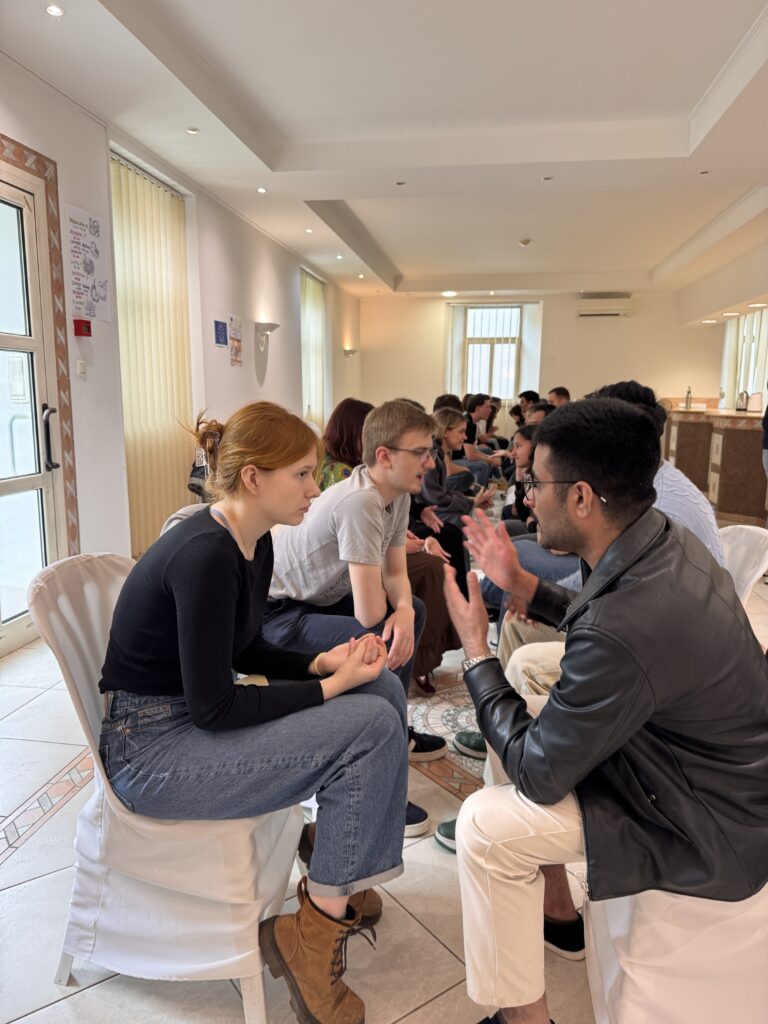
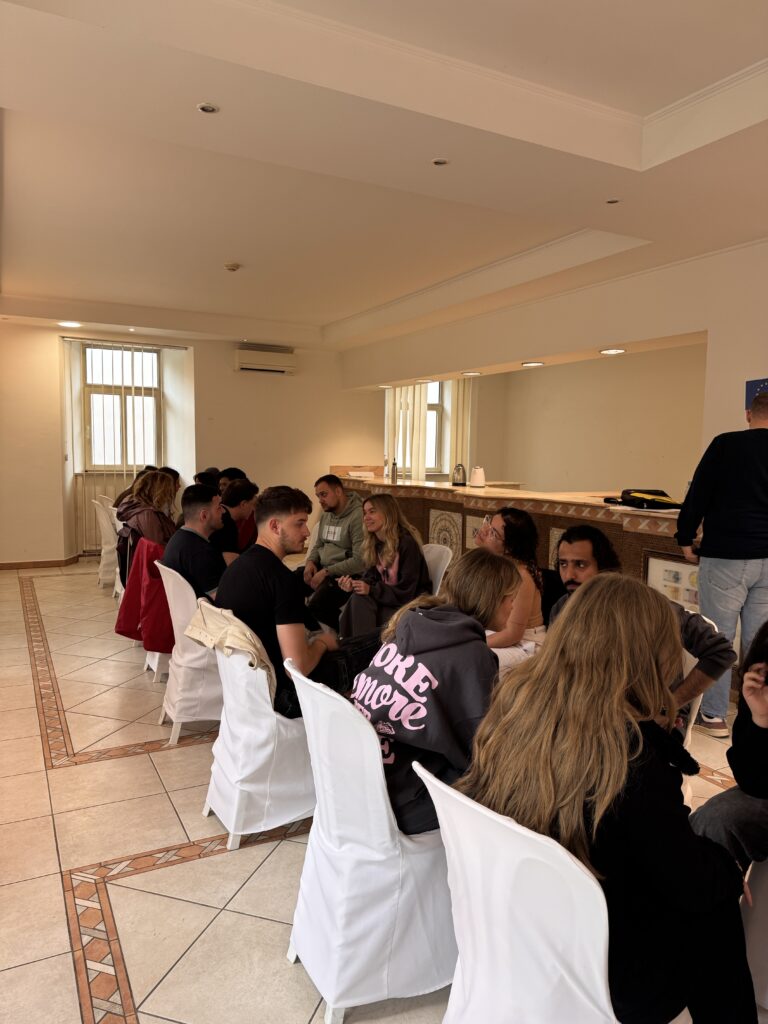
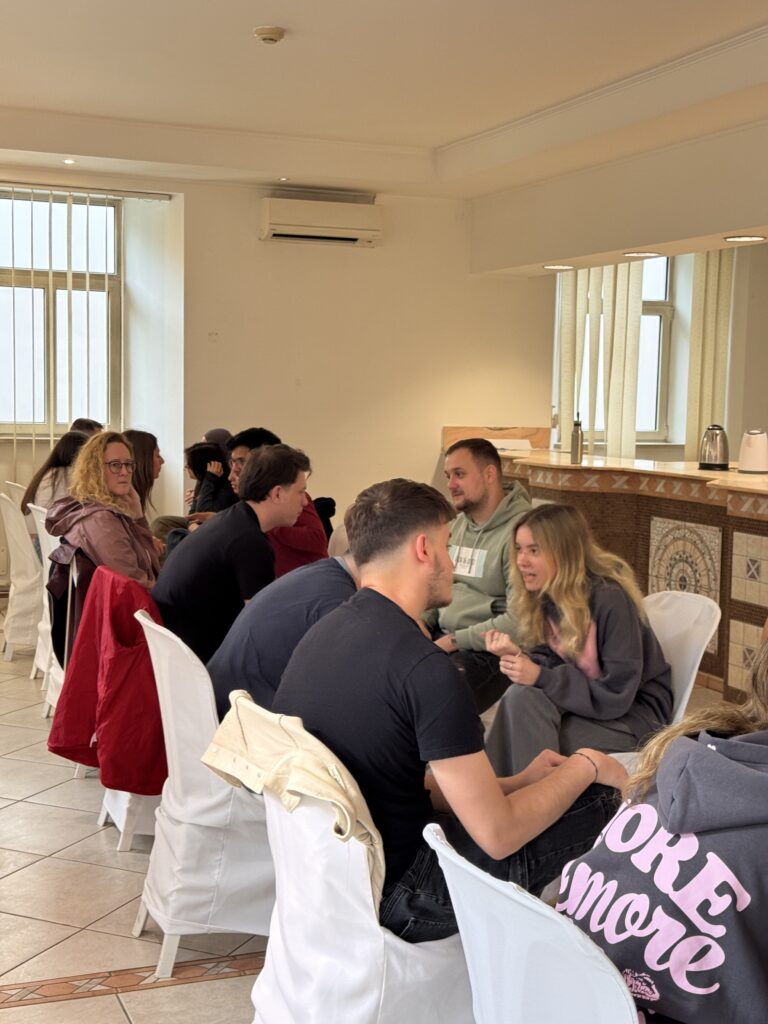
The first day focused on creating a safe and participatory environment for learning. Through introductory activities, group reflection, and facilitated discussion, participants began exploring the meaning of constructive communication in youth work and the importance of trust as a basis for any learning or group process. Rather than immediately moving into theory, the day was designed to help participants connect with one another and with the deeper purpose of the training.
A central part of the day was dedicated to understanding why communication matters so deeply in youth work practice. Participants reflected on how misunderstandings, unspoken needs, emotional reactions, and tension can influence relationships, participation, and group dynamics. These reflections helped frame the training not only as a space for skill development, but as a space for personal and professional growth.
The first day also introduced the overall approach of the project, which combines non-formal education, peer learning, and practical methods that can later be transferred into real youth work settings. Participants were encouraged to see themselves not only as learners, but also as contributors to a collective process that will lead to concrete project results and wider community impact.
What made the first day particularly meaningful was the sense of shared commitment among the group. Although participants came from different backgrounds, there was a common recognition that youth work today requires stronger tools for dialogue, empathy, and conflict transformation. This shared understanding laid a strong foundation for the days ahead.
As the training continues, participants will deepen their understanding of Non-Violent Communication, explore practical tools, and reflect on how these methods can support safer, more respectful, and more inclusive spaces for young people. Day one was therefore not only an introduction, but a necessary and valuable starting point: the beginning of connection, trust, and learning together.