By day four, the group was different. People weren’t introducing themselves anymore they were finishing each other’s sentences. That meant it was time to start translating all this self-awareness into actual skills you can use on a Monday at work. We started with negotiation. Participants watched videos of real interpersonal conflicts and were asked to analyse not who was right or wrong, but what each side was actually trying to protect, what their underlying needs were, and where there might be room to move. Then they proposed negotiation strategies, presented them to the group, and we collectively pulled them apart what’s strong here, what’s missing, what assumptions are baked in.
This is one of those exercises that looks straightforward on paper but is much harder in practice. Most of us, when we hear two sides of an argument, immediately start picking a side. Training yourself to listen for needs instead of positions is a skill that takes years. By the end of the session, the group was starting to do it without even thinking which felt like a real shift.
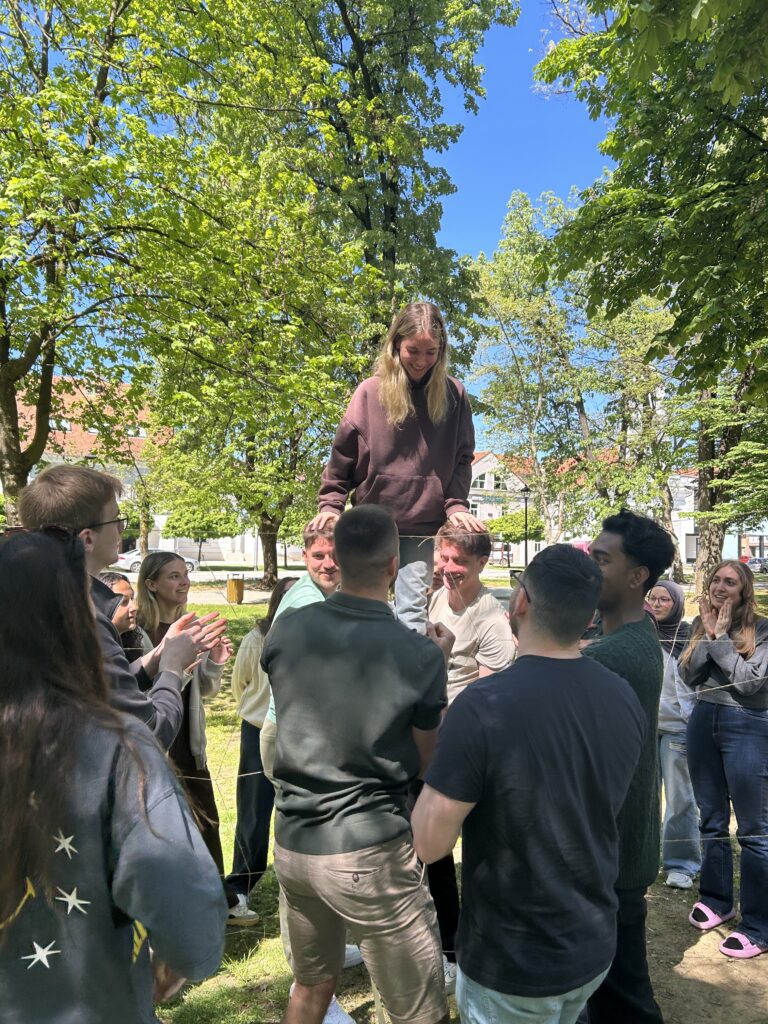
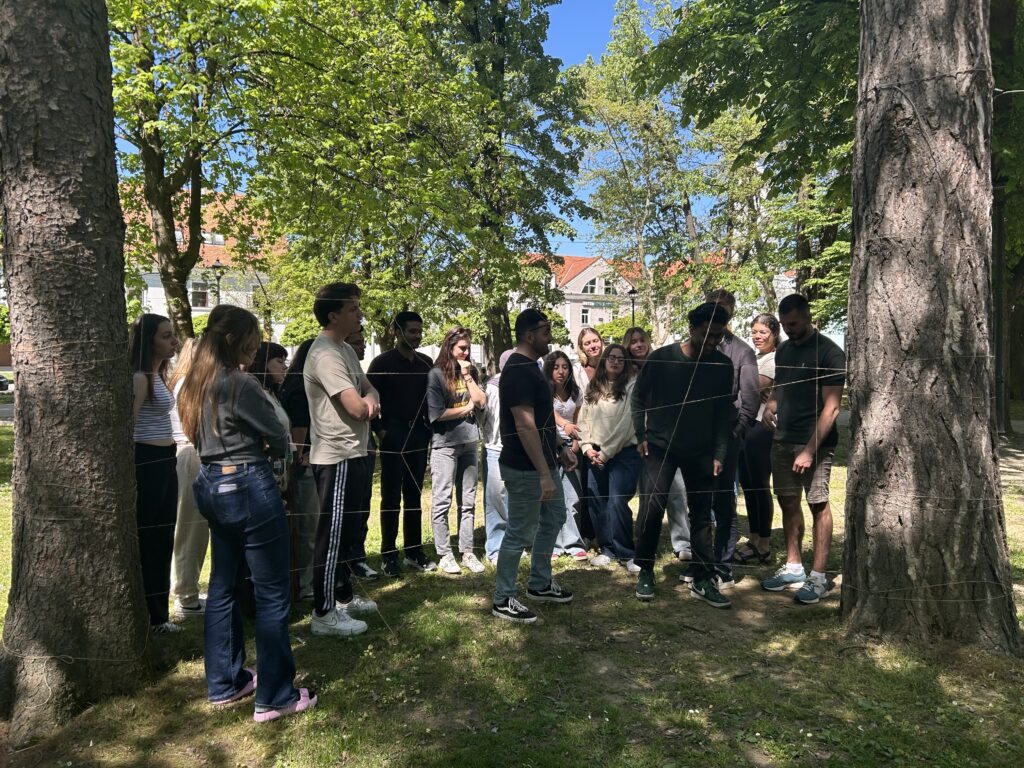
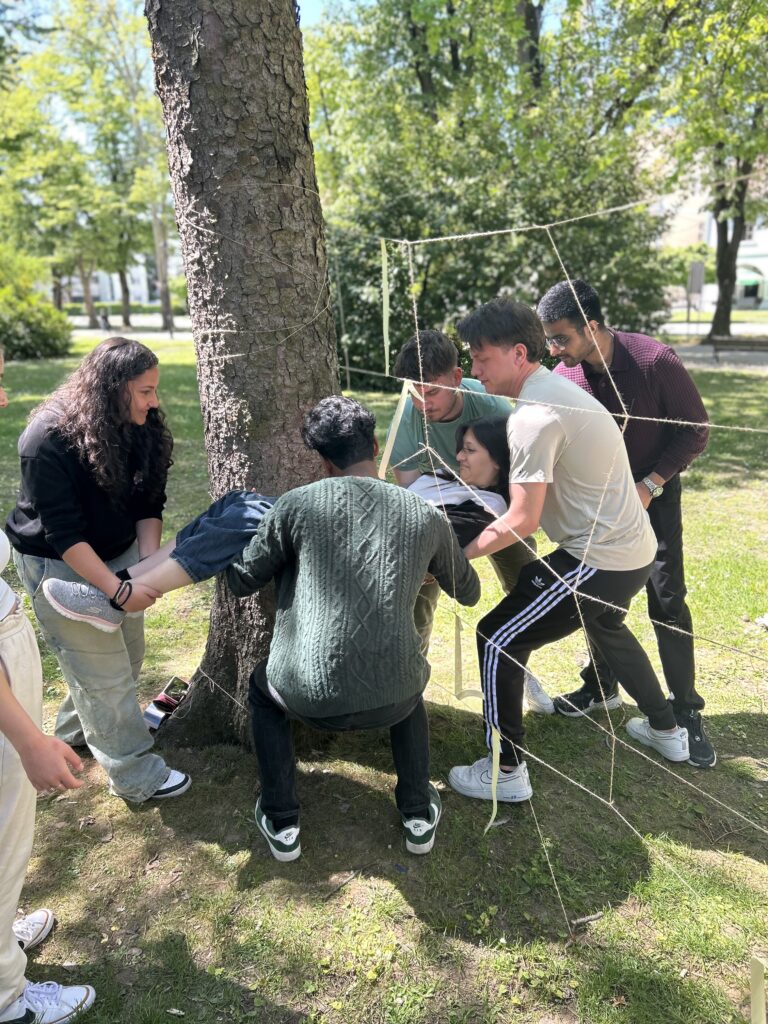
The afternoon brought out the Conflict Resolution Cards. Multicultural groups drew cards with techniques like empathy, active listening, paraphrasing, and compromise, and had to design and present a scenario showing how they’d use that technique to resolve a specific conflict. Then the rest of the room got to play critic does this actually work? Is it realistic? What would a teenager say if you tried this on them? These conversations got real fast. Several participants admitted they’d been using these techniques wrong for years, or had given up on them because they’d never been taught how to apply them properly. That’s exactly why we do this work.
Before dinner, we ran the mid-term evaluation. This isn’t a formality it’s a genuinely important moment where we ask the group what’s working, what isn’t, what we should change for the second half, and how we can better support each participant in the transition back to their organisations. Some really useful feedback came out of it, and we adjusted the next three days based on what people asked for.
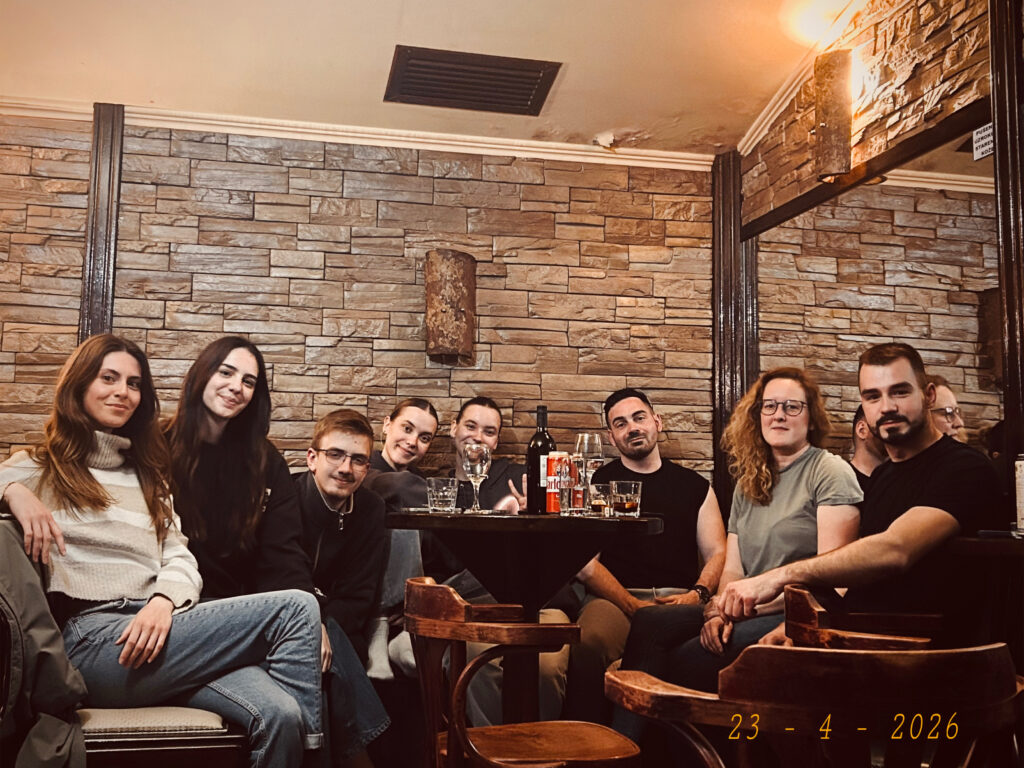
The evening was Intercultural Learning Night number three, this time hosted by Italy, Estonia, and Germany. Italian pasta (made from scratch, of course), Estonian black bread, German pretzels, and an absolutely chaotic dance-off that ended somewhere around midnight.