After the successful implementation of the Erasmus+ Training Course “From Conflict to Connection: Non-Violent Communication for Youth Workers”, held in Nova Gradiška, Croatia, from 19 to 27 April 2026, participants continued the learning process in their local communities through follow-up and dissemination activities.
The aim of these activities was to share the knowledge, tools and methods gained during the training course with a wider audience of young people, students, youth workers and community members. Through local workshops, presentations, informal meetings and online sessions, participants introduced the main concepts of non-violent communication and encouraged young people to reflect on how they communicate, listen, manage conflicts and build stronger relationships.
Follow-up activities were organised in eight countries: Germany, Croatia, Estonia, North Macedonia, Spain, Italy, Serbia and Türkiye. Altogether, they reached 150+ participants, extending the impact of the training course far beyond the original group of participants.
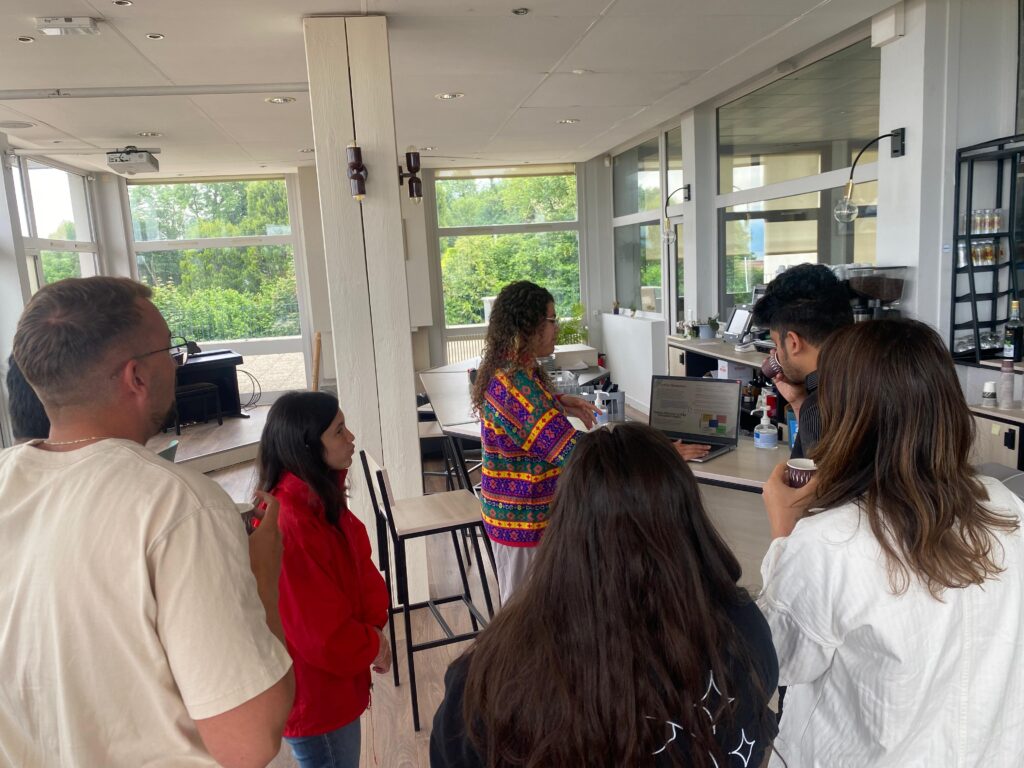
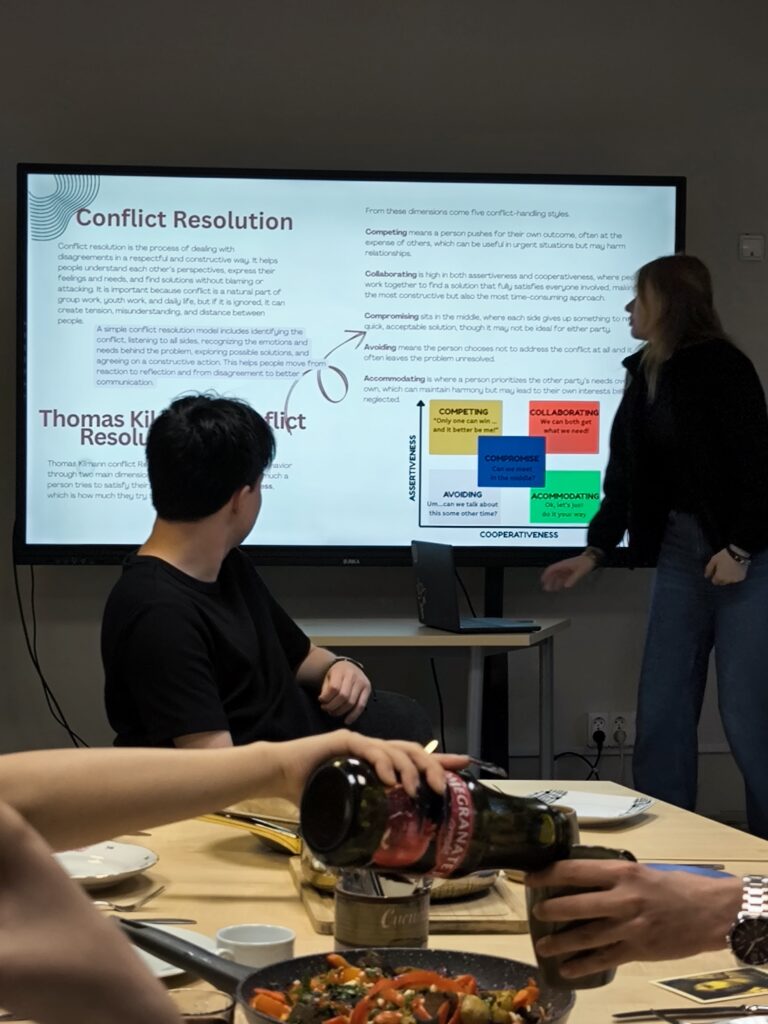
In Germany, the dissemination activity was organised in Kiel and gathered 15 young people interested in youth work, communication and international opportunities. The session was based on the project handbook and focused on practical tools such as conflict resolution, negotiation, active listening, assertive communication and emotional intelligence. The informal setting created space for open discussion and helped participants connect the topic with their own everyday experiences.
In Croatia, the follow-up activity gathered 27 young people and provided an opportunity to further promote the results of the project at local level. Participants were introduced to the main learning outcomes of the training course and discussed how non-violent communication can support better understanding, cooperation and dialogue among young people.
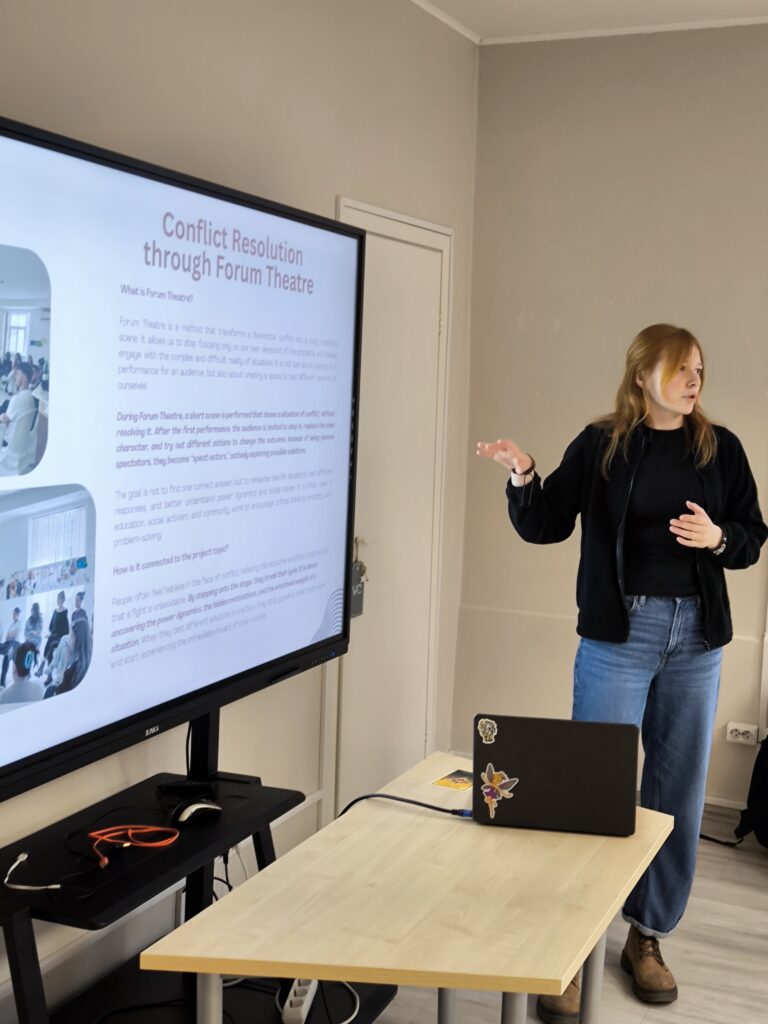
In Estonia, 15 participants took part in a dissemination activity focused on sharing the key messages of the project and raising awareness of Erasmus+ opportunities. The activity helped bring the topic of respectful communication closer to young people and encouraged them to think about how communication skills can be used in school, work, youth initiatives and everyday life.
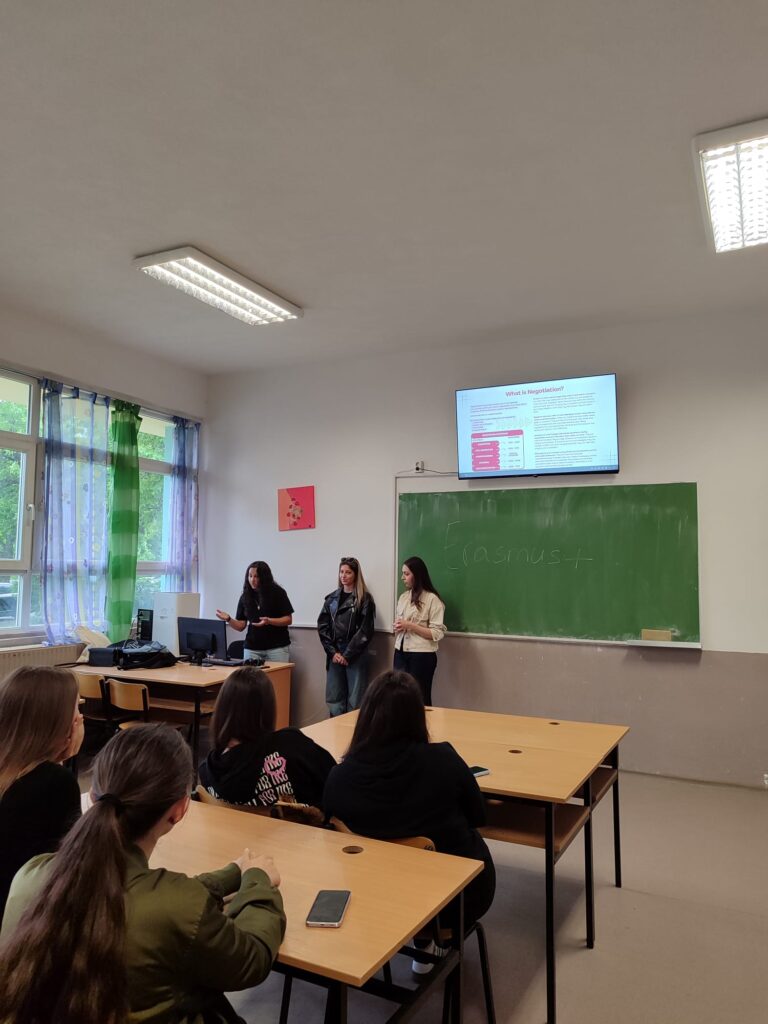
In North Macedonia, the follow-up activity reached 20 participants. The session presented the project experience and opened discussion on the importance of empathy, active listening and peaceful conflict resolution. Participants had the chance to learn more about how non-formal education methods can support young people in dealing with disagreements in a more constructive way.
In Spain, an online workshop gathered 18 participants. The activity introduced Erasmus+ opportunities, including youth exchanges, training courses and the European Solidarity Corps, while also presenting the topic of non-violent communication. Special attention was given to negotiation strategies and active listening as practical tools for improving communication and preventing misunderstandings.
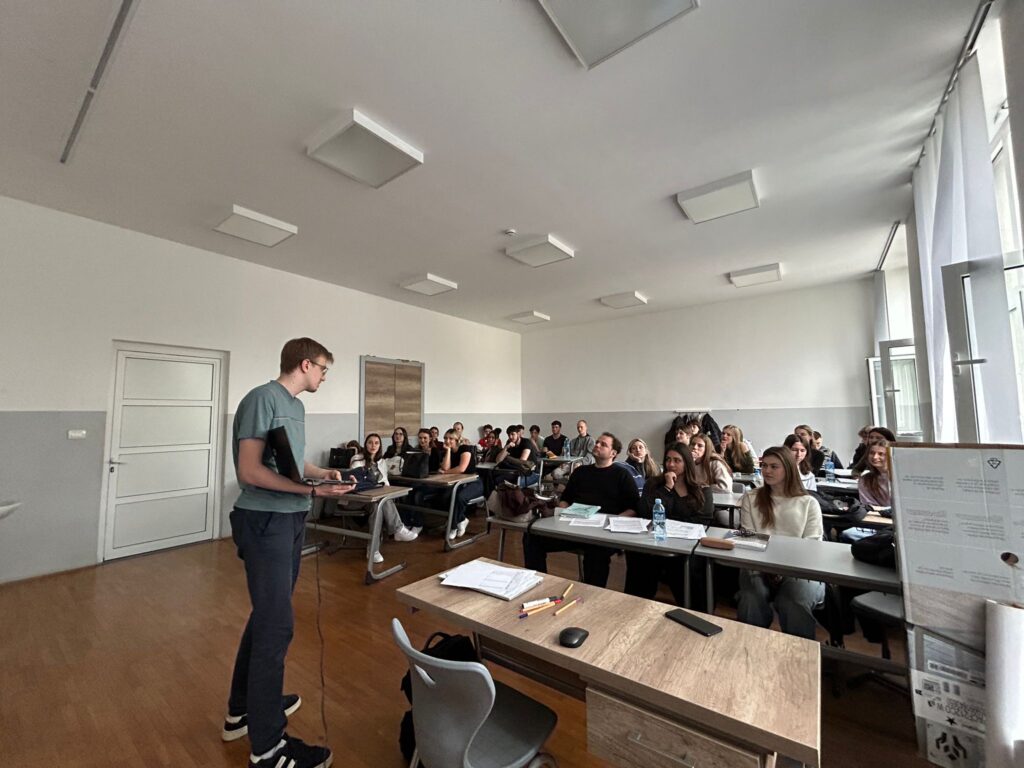
In Italy, a dissemination activity was organised at a university setting and gathered 16 participants. The meeting focused on sharing the experience from the training course and presenting the importance of non-violent communication in everyday life and conflict situations. Participants actively engaged in the conversation, asked questions and shared their own reflections, making the activity a valuable space for dialogue and peer learning.
In Serbia, the dissemination activity was organised at Peta Beogradska Gimnazija in Belgrade and gathered around 25 students. The session introduced the Erasmus+ programme, mobility opportunities for young people and the main topic of the project. Students showed particular interest in non-formal education methods, Erasmus+ opportunities and the use of communication skills in schools, youth centres, local communities and personal relationships.
In Türkiye, the follow-up activity gathered 20 participants and focused on presenting the project outcomes and promoting non-violent communication as a practical approach for youth work and everyday interactions. The activity contributed to raising awareness of the importance of respectful dialogue, empathy and understanding different perspectives.
Across all countries, the dissemination activities followed a similar approach: participants shared their personal experience from the training course, presented Erasmus+ opportunities, and introduced practical tools learned during the project. The most frequently addressed topics included active listening, negotiation, emotional intelligence, assertive communication, empathy, teamwork and peaceful conflict resolution.
The activities showed that young people are highly interested in learning how to communicate better, especially when dealing with conflict, disagreement or misunderstanding. They also confirmed the value of Erasmus+ projects as spaces where participants not only gain knowledge during international mobility, but also become multipliers in their own communities.
By reaching 150+ people in 8 countries, the follow-up activities strengthened the visibility and sustainability of the project results. More importantly, they helped transfer the message of the project into real local contexts: conflict is a normal part of human interaction, but with the right tools, it can become an opportunity for understanding, cooperation and connection.
The project “From Conflict to Connection” therefore continues to create impact beyond the training course itself, supporting young people and youth workers in building more respectful, inclusive and constructive communication in their communities.