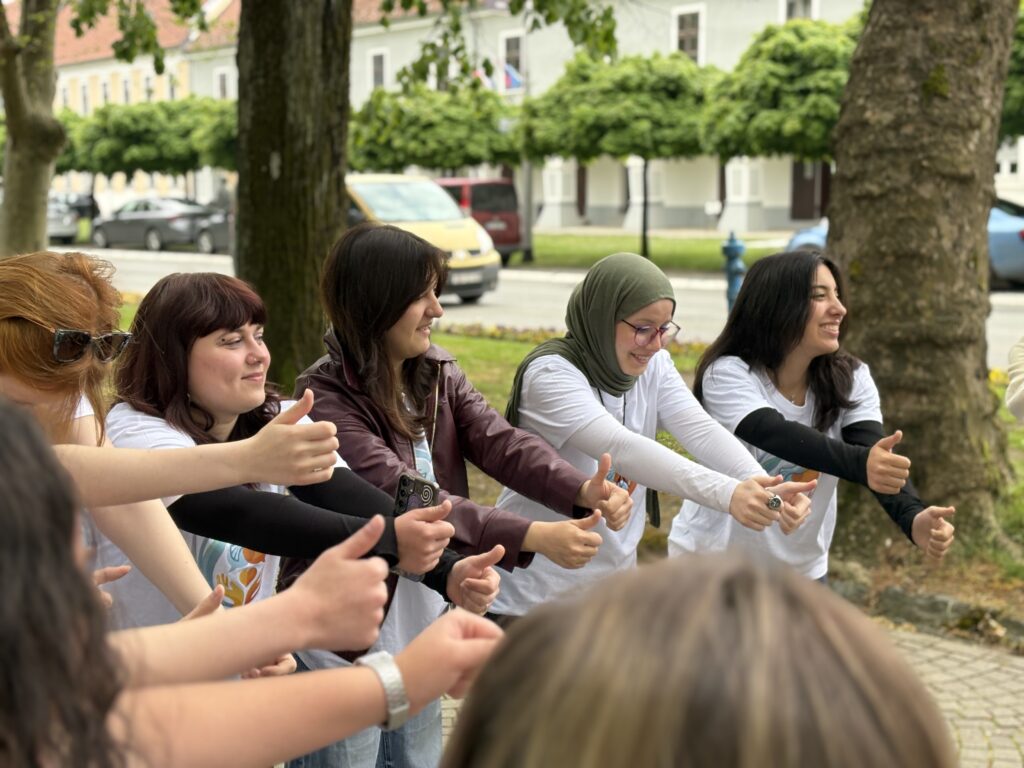
If day two was about the head, day three was firmly about the heart. We started the morning with empathy and instead of giving people a definition, we asked them: what does empathy feel like to you? Then we handed out paper and pens and asked everyone to draw their current inner emotional state. No talking, just drawing. When the drawings were done, we asked people to walk around, look at each other’s work, and gather in clusters based on the emotions that resonated. Suddenly, people who barely knew each other two days ago were sitting in small groups talking about anxiety, hope, loneliness, excitement using a piece of paper as a translator. It’s a deceptively simple exercise, but it gets people to a real place fast.
The afternoon shifted gears into emotional intelligence what it is, why everyone keeps talking about it, and how it actually plays out in our daily lives. We started with an emotion-acting card game, where participants drew a card with an emotion written on it (some obvious like anger, some sneakier like resigned or envious) and had to act it out while the rest of us tried to guess. It’s hilarious, but it’s also serious work most of us are surprisingly bad at distinguishing between similar emotions, and that’s exactly what gets us into trouble in conflict situations. If you can’t name what you’re feeling, you can’t communicate it, and you definitely can’t understand it in someone else.
Then we paired people up for a trust exercise: one partner blindfolded, the other guiding them through the space using only their voice. After a few minutes, they switched roles. The debrief was where the gold was people talked about how vulnerable they felt being led, how anxious they were when they were leading someone else, and how all of that maps directly onto the dynamics of difficult conversations. When you’re guiding a young person through a conflict, you’re essentially asking them to trust you blindfolded. It changes how you think about your responsibility in those moments.
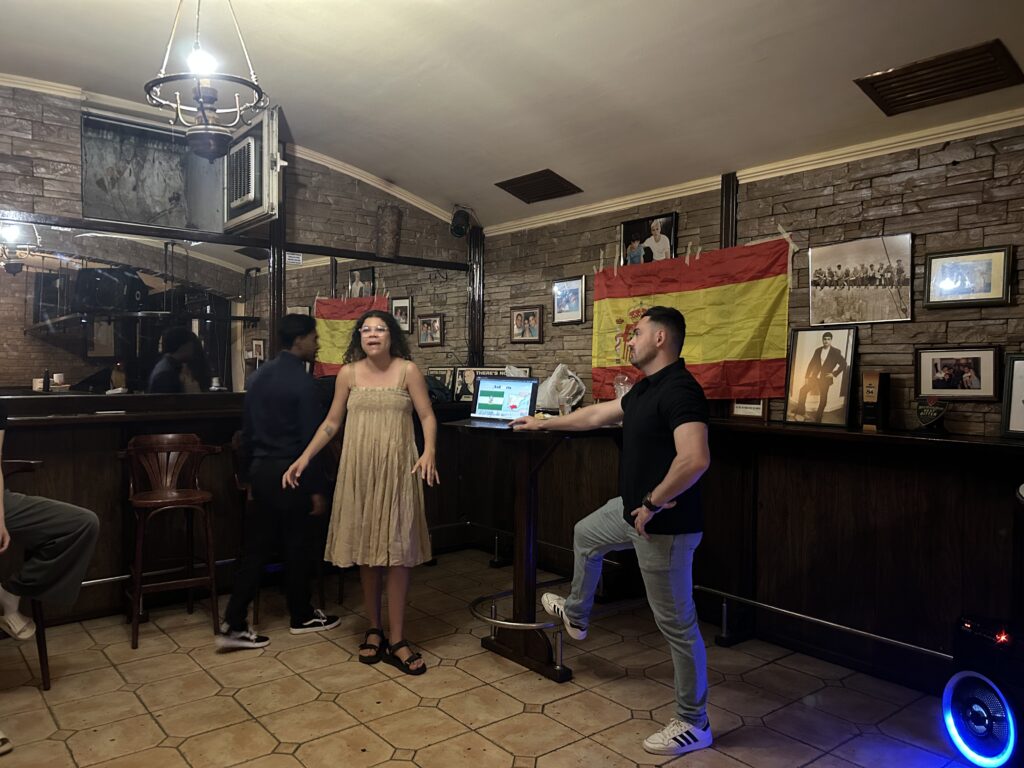
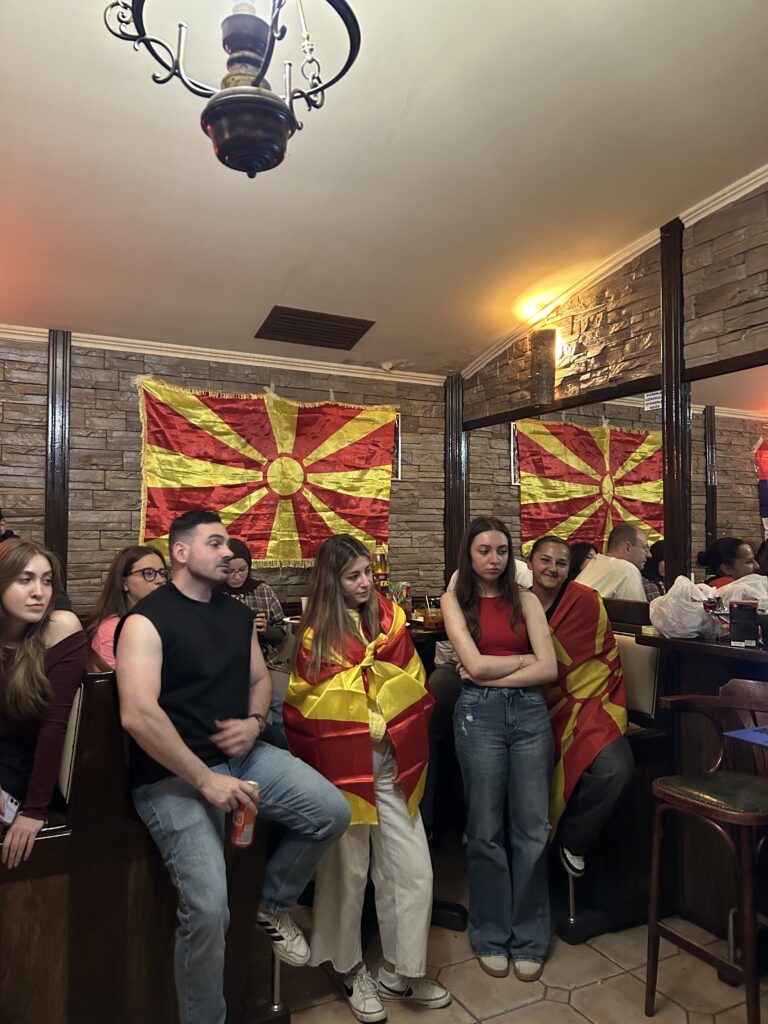
We closed the day with reflection and then dove into the second Intercultural Learning Night, this time hosted by Serbia, Spain, and North Macedonia. Spanish tapas, Serbian rakija (yes, more rakija – this is the Balkans after all), Macedonian ajvar, and a whole lot of music that had people on their feet until late.