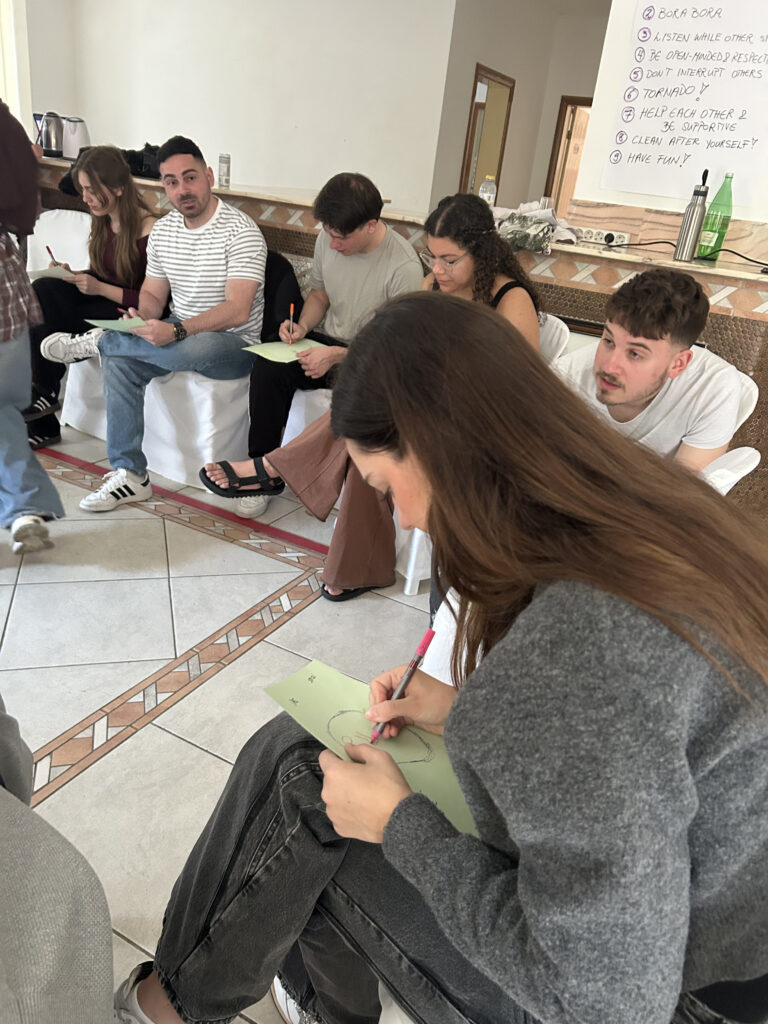
Day two started with a question that sounds simple but really isn’t: what does it actually mean to be European? We’re not talking flags and anthems here we mean the values that supposedly hold this whole project of peace and cooperation together. Respect, inclusion, solidarity, dialogue. The trainer opened with a short interactive quiz, and then we ran a Human Library session, where some participants and trainers became “living books,” telling personal stories about times when these values helped them get through a real conflict. People rotated, asked questions, and listened. By the end of it, the abstract idea of “European values” felt a lot more like something you could actually use on a Tuesday morning when a teenager in your youth centre is having a bad day.
After a quick coffee break, we tackled the elephant in the room: conflict. Most of us are raised to think conflict is bad, something to avoid, something that means a relationship is broken. But what if conflict is just information? What if it’s a signal that two people have different needs and neither has been able to say it clearly? We used theatre-based activities for this one. Multicultural groups put together short scenes that recreated everyday interpersonal conflicts the kind that happen in families, between colleagues, between youth workers and young people. After each performance, we paused and asked: what else could have happened here? What were both sides actually needing? It was eye-opening to see how the same conflict looks completely different depending on which cultural lens you put on it.
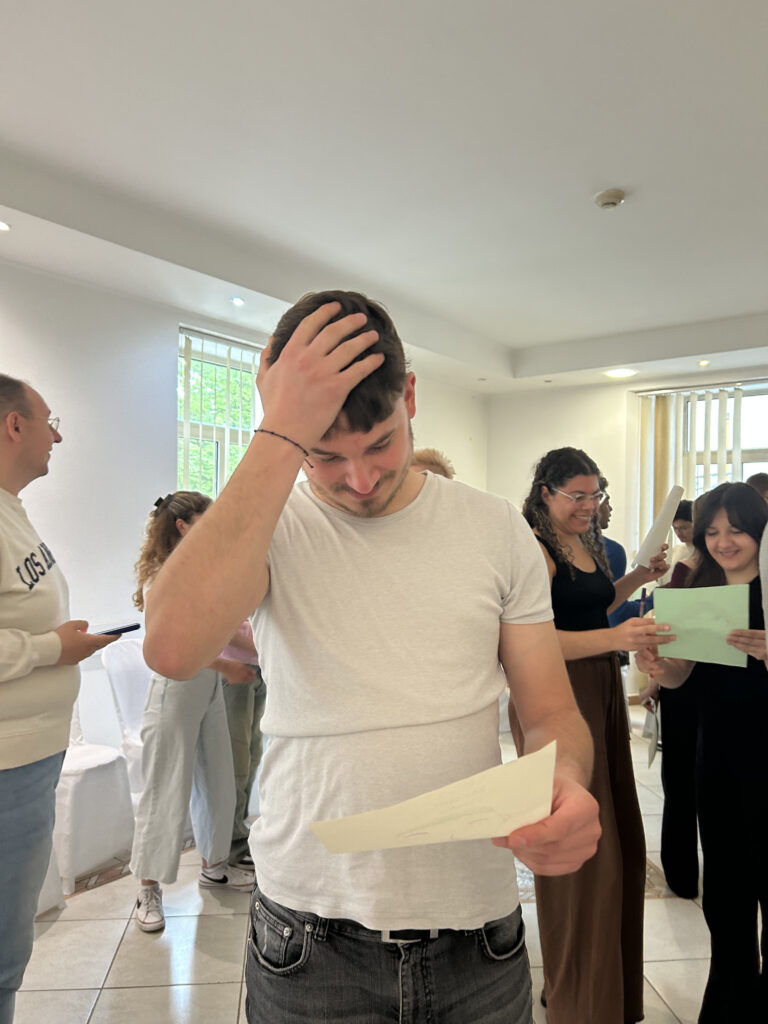
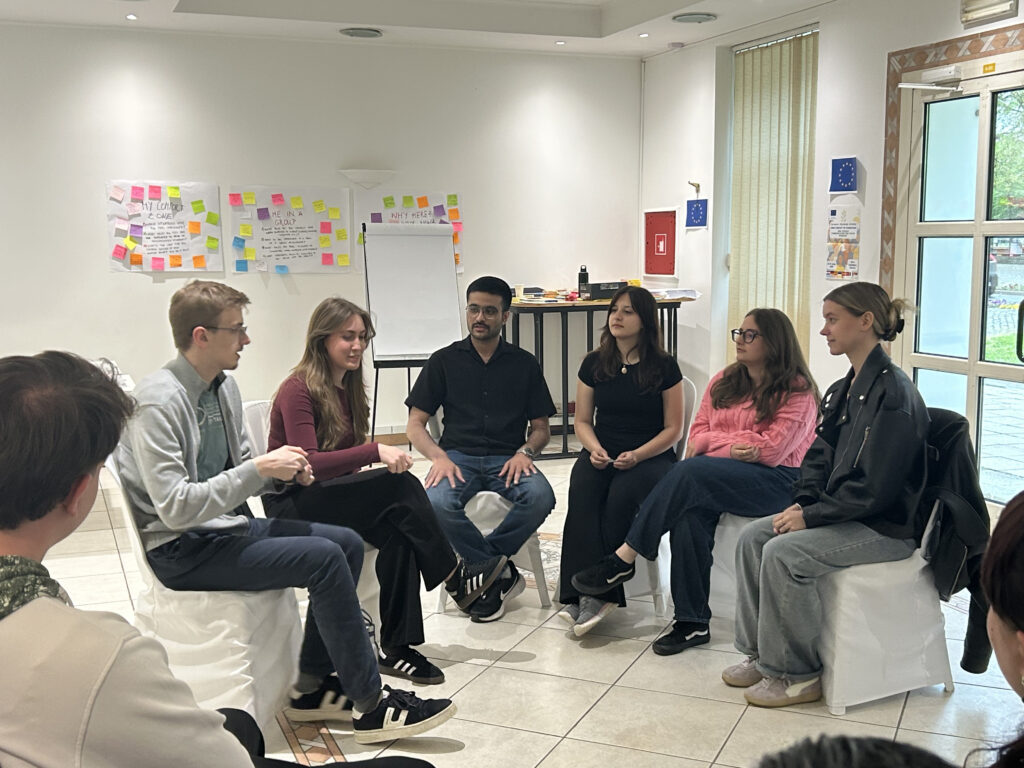
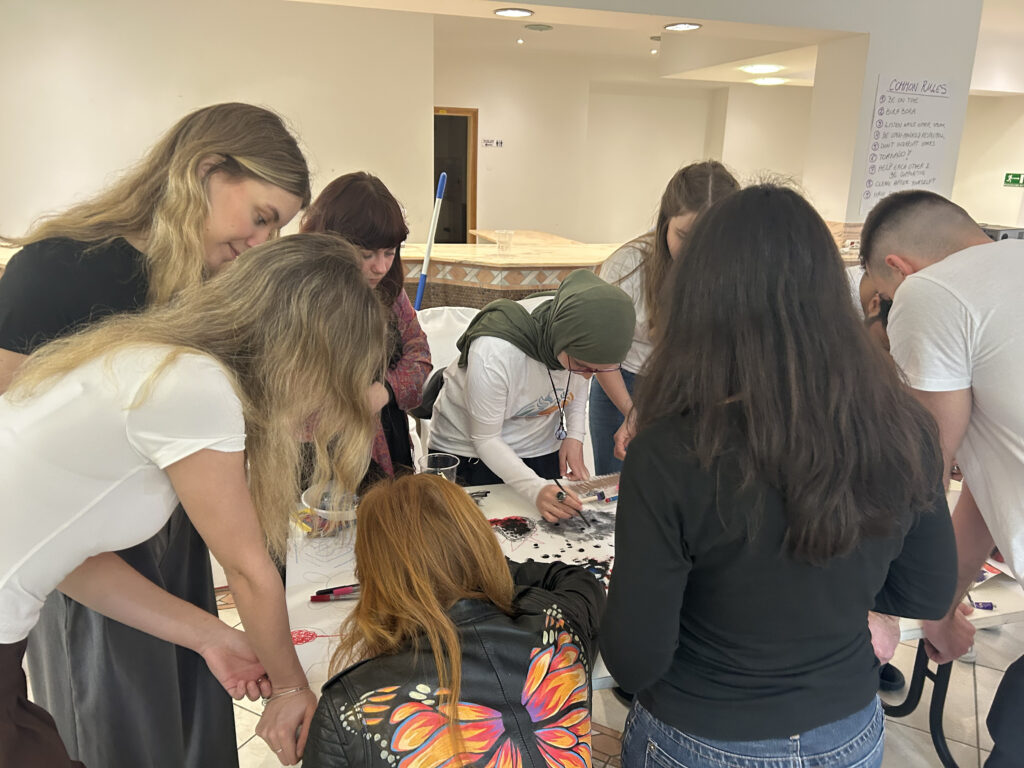
In the afternoon we ran a World Café on the causes and consequences of interpersonal conflict. Participants rotated between tables, building on each other’s ideas, mapping out the patterns that show up again and again — miscommunication, unmet expectations, assumptions about intentions, the famous “it’s not what you said, it’s how you said it.” We also looked at what happens when conflict is handled badly: how small disagreements snowball into broken relationships and how that affects the young people we work with, who often watch the adults around them more carefully than we’d like to admit.
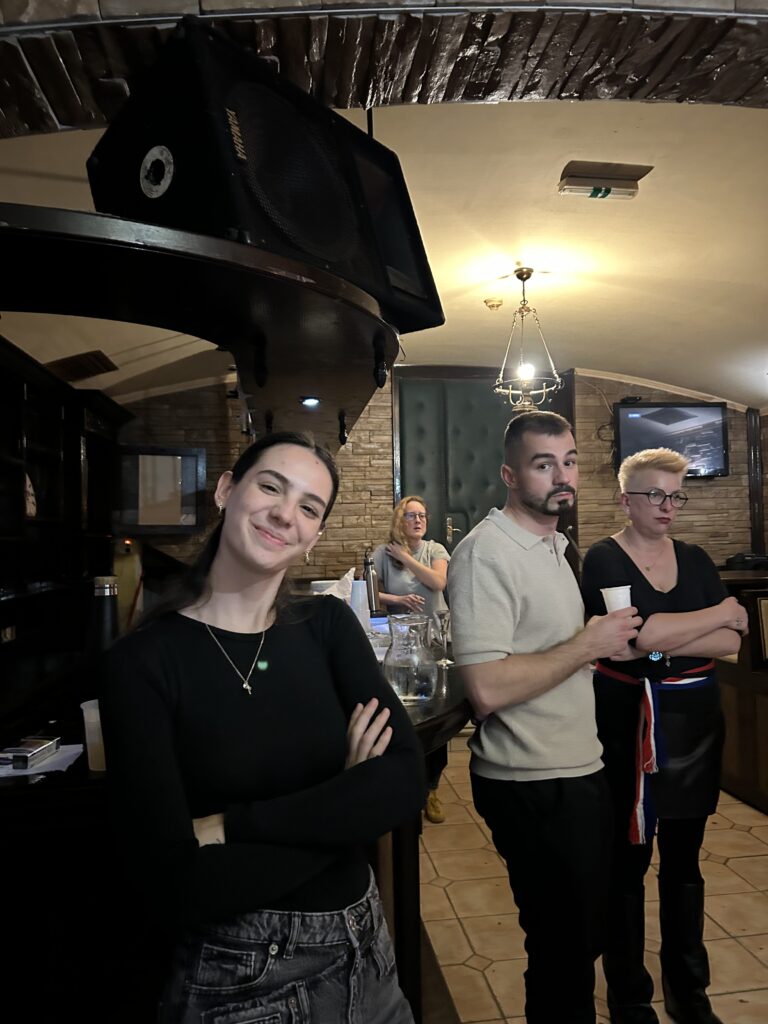
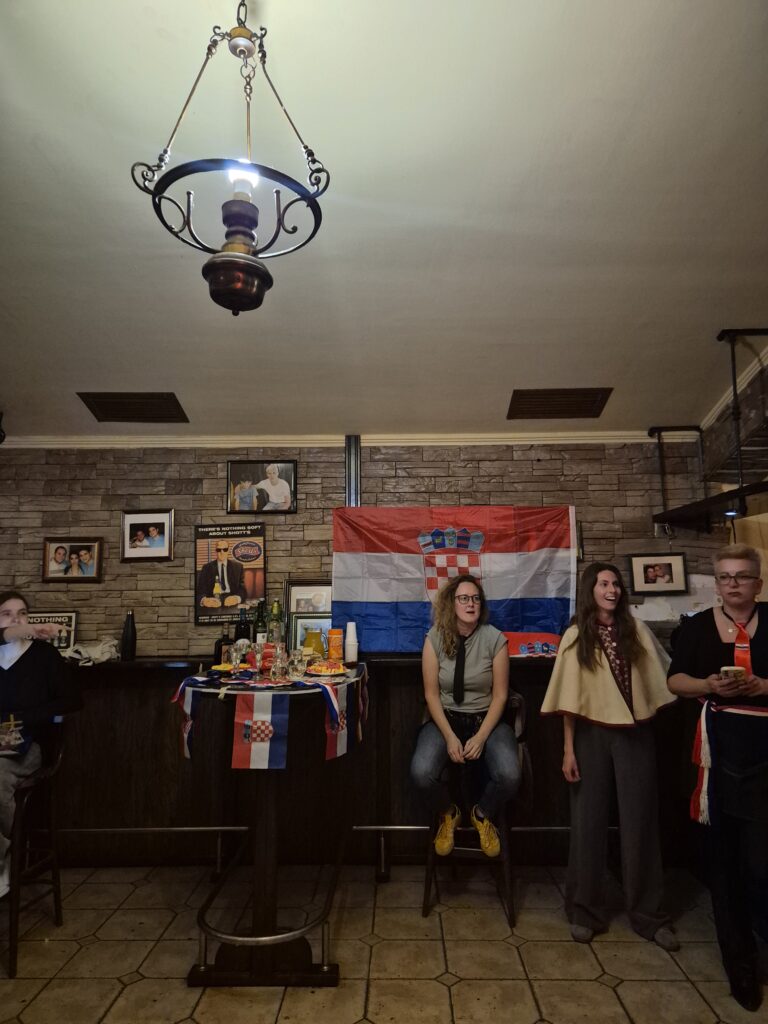
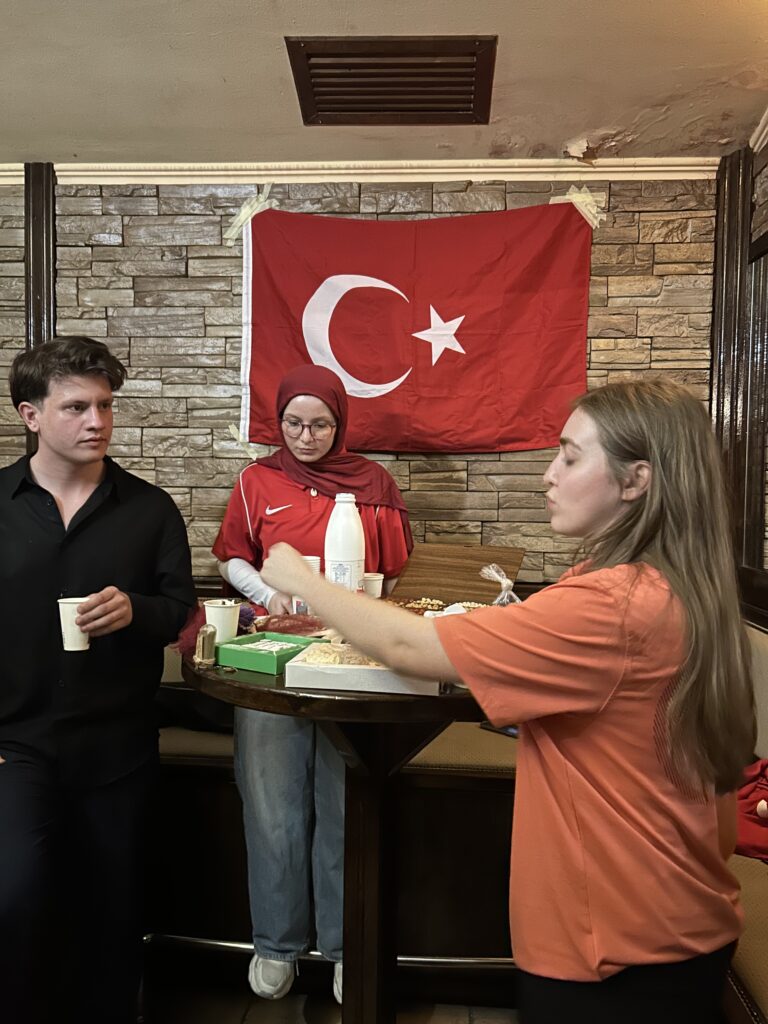
The day closed with reflection in the learning trios, and then came the first Intercultural Learning Night hosted by Croatia and Türkiye. There was rakija, there was Turkish tea, there was traditional music, there was dancing, and there was a lot of “wait, you have this dish too?” The cultural exchange in those evenings is one of the most underestimated parts of any Erasmus+ project it’s where the real bonds form.